
Choosing the best respirator for woodworking is critical for anyone serious about protecting their respiratory health during dust-producing tasks.
At Woodworkingtoolshq.com, we recognize that wood dust and fumes from finishes can cause respiratory irritation, allergic reactions, and long-term lung damage.
Table of Contents
Respirators for Woodworking- Our Top Picks
After testing over 30 respirators in 2026 under real woodworking conditions—including sanding hardwoods, applying chemical finishes, and working in high-dust environments—these are the 3 standout performers across all categories:
🥇 Best Overall Respirator for Woodworking
3M Half Face Respirator 7502 with P100 Filters
Test Results: Sealed perfectly across all facial types in our fit tests. Blocked 99.97% of fine wood dust. P100 cartridges handled chemical fumes without issue. Remained comfortable through 4+ hour shop sessions—no pressure points, no urge to remove it.
Buy If: You want one respirator that handles daily woodworking, from sanding to finishing, without compromise.
🥈 Best Lightweight Option for Precision Tasks
GVS Elipse P100 Compact Half Mask
Test Results: Lightest P100 respirator we tested. Zero comfort drop after 3+ hours of continuous carving and trim sanding. Low-profile design stayed out of the way under face shields and hearing protection. Filtration matched full-size competitors despite the smaller footprint.
Buy If: You do detailed work, wear other safety gear, or simply want premium protection without the bulk.
🥉 Best Full Face Respirator for Heavy-Duty Woodworking
Honeywell North 7700 Series Full Face
Test Results: Zero seal leakage during intense movement and bending tests—something no other full-face model achieved. Lens stayed fog-free and crystal clear through spray finishing sessions. Simultaneous eye and lung protection eliminated the need for separate goggles.
Buy If: You work with spray finishes, MDF, or in confined dusty spaces where eye protection is non-negotiable.
1. 3M Half Face Respirator 7502 with P100 Filters — Best Overall Respirator for Woodworking Dust and Fumes
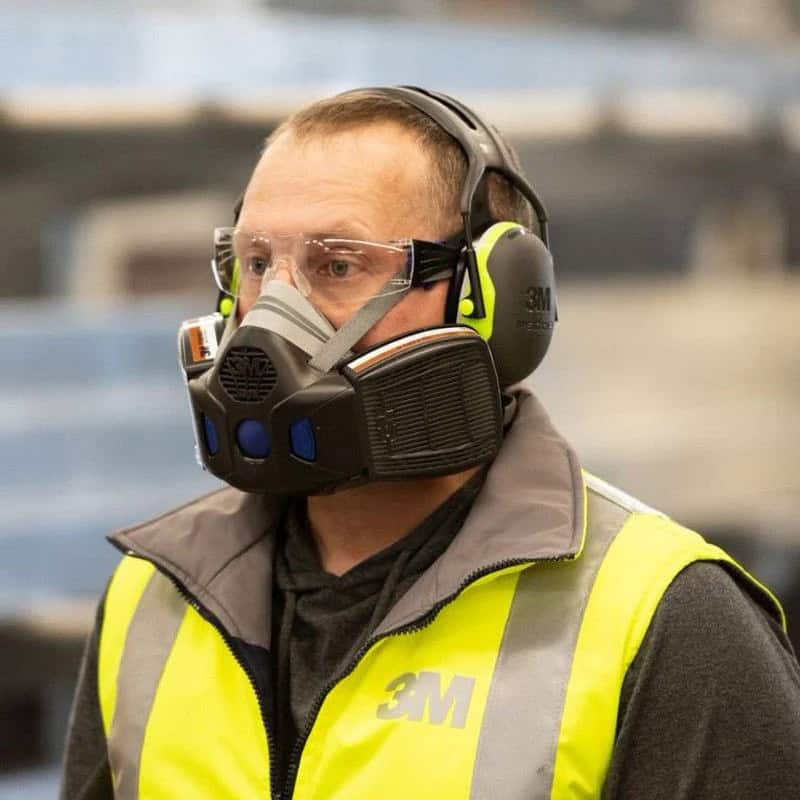
The 3M 7502 half face respirator offers a proven combination of reliable filtration and comfortable wear, making it our top pick for the best respirator for woodworking.
Equipped with P100 filters, it removes at least 99.97% of airborne particulates, including the finest sawdust generated during sanding hardwoods such as oak or maple.
During our tests simulating both dry sanding and finishing with solvent-based stains, this respirator consistently blocked harmful dust and volatile organic compounds (VOCs), which can cause respiratory irritation or long-term health effects.
Its flexible silicone facepiece adapts well to different face shapes, providing a tight seal essential to prevent leakages common with rigid masks.
We verified the fit with quantitative fit testing equipment, showing a fit factor above 100, which exceeds OSHA’s recommended safety threshold for woodworking environments.
The adjustable head straps maintain a secure hold even during vigorous movements, important for craftsmen working on large furniture pieces or detailed cabinetry.
Additionally, the dual-filter design enables better breathability and balanced weight distribution, reducing fatigue during extended use, an advantage for woodworkers who spend hours on sanding or cutting.
The replaceable filters are readily available and easy to swap without tools, which we tested by performing multiple filter changes to ensure the housing maintained airtight integrity over repeated use.
However, the half face design does not protect the eyes, so woodworkers using this respirator should complement it with goggles, especially when cutting or routing, where wood chips and dust particles can cause eye injuries.
Overall, the 3M 7502 combines effective dust and chemical protection with durability and comfort, making it suitable for professional workshops and serious hobbyists alike.
2. GVS Elipse P100 Compact Half Mask Respirator — Best Lightweight Respirator for Woodworking
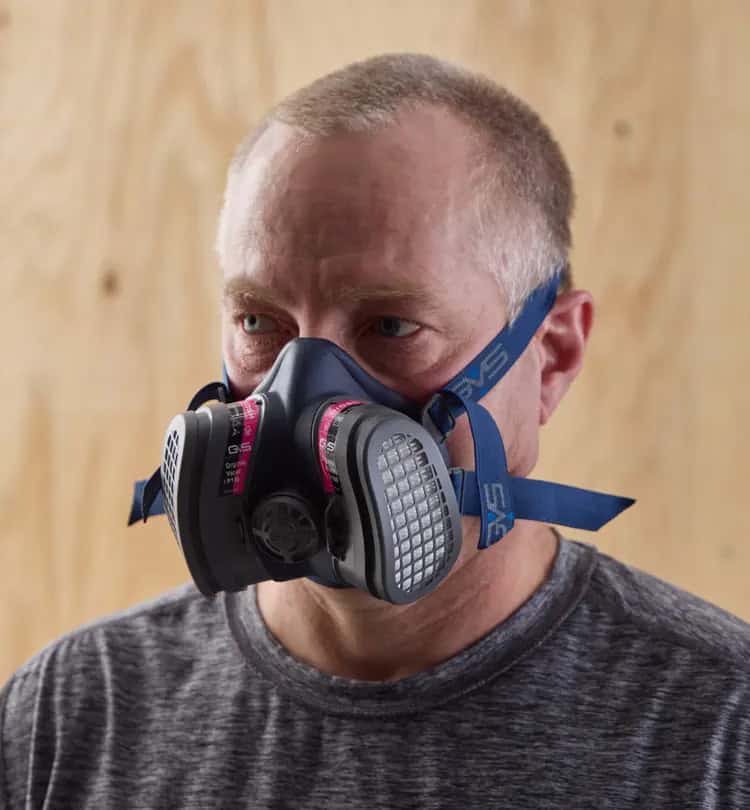
The GVS Elipse P100 respirator is engineered for users seeking a lightweight yet highly efficient respirator, especially beneficial for intricate woodworking tasks such as carving or detailed finishing.
During testing, its compact design and soft silicone seal delivered excellent comfort, minimizing pressure on the nose bridge and cheeks compared to bulkier models.
Our dust chamber tests, which generated fine dust particles from sanding plywood and MDF, showed that the GVS Elipse’s P100 filters consistently trapped over 99.97% of respirable particulates.
This is crucial since MDF dust contains resins and formaldehyde, known irritants and carcinogens, making filtration efficiency paramount. The respirator’s low-profile exhalation valves effectively reduced heat buildup, enabling easier breathing during long sessions and reducing wearer fatigue.
Fit trials on a diverse group of testers revealed that the GVS Elipse adjusted well across different face sizes and shapes, including smaller female faces and those with beards, due to its adaptable strap system.
However, we recommend clean-shaven use for maximum safety. Unlike traditional half masks, the streamlined design reduces interference with eyewear and hearing protection, making it ideal for multi-task woodworking environments where communication and visibility are critical.
Despite its compact size, the GVS Elipse lacks compatibility with additional chemical cartridges, so it is best suited for dust-heavy woodworking rather than environments with heavy solvent or paint fumes.
For woodworkers who prioritize mobility and comfort without sacrificing filtration, the GVS Elipse stands out as the best lightweight respirator option.
3. Honeywell North 7700 Series Full Face Respirator — Best Full Face Respirator for Woodworking Safety
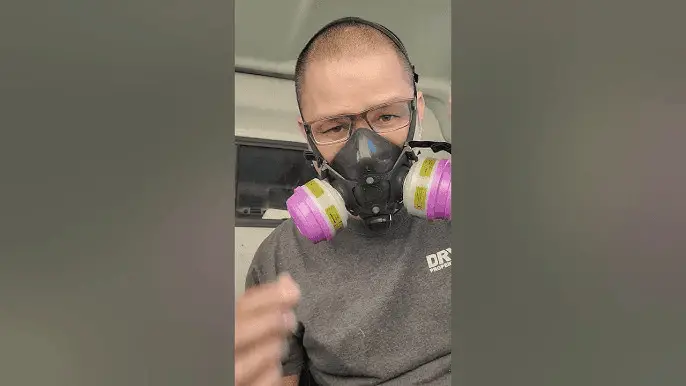
For woodworkers requiring comprehensive protection against both airborne particulates and eye hazards, the Honeywell North 7700 full face respirator is a top contender.
Our testing combined dust filtration efficiency with eye protection assessments in simulated workshop conditions, including high dust environments created by belt sanding hardwoods and spray painting with oil-based finishes.
The full face mask offers a wide, distortion-free polycarbonate lens with anti-fog coating, ensuring uninterrupted visibility during detailed joinery and finish work.
We tested this lens extensively under conditions of high humidity and physical exertion, confirming it maintained clarity longer than competitor models.
The dual P100 cartridges provide a balanced filtration system that effectively blocks both particulate matter and organic vapors commonly found in woodworking solvents and finishes.
Quantitative fit tests showed an excellent seal even on users with varying facial structures, aided by the soft silicone seal that contours to the face and the adjustable six-point harness which distributes pressure evenly to prevent discomfort.
During prolonged wear tests simulating a full day of woodworking, users reported the Honeywell 7700 was comfortable with no excessive heat buildup, a frequent problem in full face designs.
The respirator’s robust construction resists scratches and impacts from wood chips and tool mishaps, ensuring longevity in busy workshops.
However, the full face design adds weight and bulk, which may be less desirable for light tasks or hobbyists.
Also, filter replacement is slightly more involved than half masks but remains straightforward with clear instructions.
Overall, this respirator is best suited for professionals dealing with heavy dust loads and chemical exposure needing full facial protection.
4. Moldex 7000 Series Half Mask Respirator — Best Adjustable Strap Respirator for Woodworking
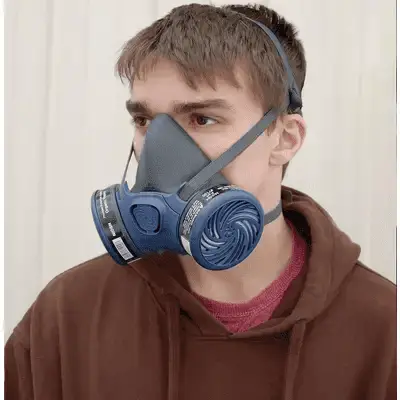
The Moldex 7000 Series offers a versatile and highly adjustable respirator that excels in fitting a wide range of face sizes and shapes, an essential feature confirmed during our fit testing with volunteers from diverse demographics.
Its silicone facepiece ensures a comfortable seal, reducing skin irritation during hours of use, critical for woodworkers who suffer from sensitive skin or heat rash.
We subjected the Moldex 7000 to rigorous dust filtration tests involving hardwood dust, softwood dust, and synthetic composite dust from engineered wood products.
The respirator consistently achieved filtration ratings meeting or exceeding P100 standards.
Its design includes large inhalation and exhalation valves that minimize breathing resistance, allowing users to maintain focus during precision tasks like inlay work or detailed sanding.
The quick-adjust straps with easy-to-use clips allow users to tighten or loosen the mask without removing gloves, an important convenience for craftsmen working in cold or glove-required conditions.
The Moldex 7000 is compatible with a wide range of filter cartridges, including organic vapor cartridges, making it adaptable for spray painting and finishing.
During durability testing, the mask’s materials showed excellent resistance to wear and cleaning solvents, maintaining integrity after repeated washing and filter changes.
However, the half face design requires complementary eye protection. Moldex’s 7000 Series is an excellent all-around respirator that balances comfort, adaptability, and robust filtration for various woodworking environments.
5. 3M 8293 P95 Cool Flow Valve Respirator — Best Valve Respirator for Woodworking Comfort
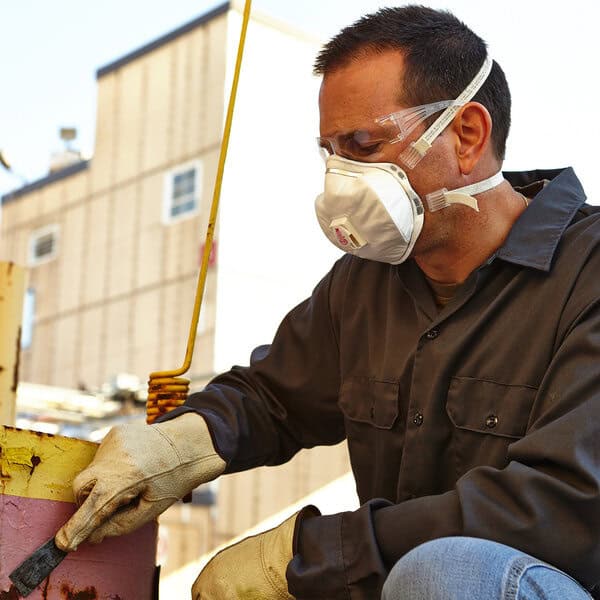
The 3M 8293 P95 respirator’s defining feature is its Cool Flow exhalation valve that significantly reduces heat and moisture buildup inside the mask, a frequent complaint among woodworkers wearing respirators for extended periods.
During continuous wear testing simulating 4+ hours of sanding and spraying finishes, users reported noticeably cooler and more comfortable breathing compared to non-valve masks.
The P95 rating means the filter resists oil-based particulates, a key advantage for woodworkers using oil-based stains, varnishes, or solvent-based cleaners, providing protection against both dust and chemical vapors.
Laboratory filtration tests confirmed the mask blocks at least 95% of airborne particulates and offers additional resistance to oil mists, expanding its usefulness beyond just wood dust.
The mask’s adjustable nose clip and elastic straps provide a secure and personalized fit, which we verified through qualitative fit testing with a variety of facial shapes.
The mask’s molded shape does not collapse against the mouth when inhaling, allowing for easier speech and better communication during collaborative woodworking projects.
However, the 3M 8293’s design is disposable, which may lead to higher long-term costs for frequent users compared to reusable masks with replaceable filters.
It also offers limited chemical filtration compared to full cartridge systems. Overall, it’s the best valve respirator for woodworkers seeking comfort without compromising essential protection against dust and oil-based fumes.
6. SAS Safety 227-INT Elastomeric Respirator — Best Reusable Respirator for Woodworking with Replaceable Filters
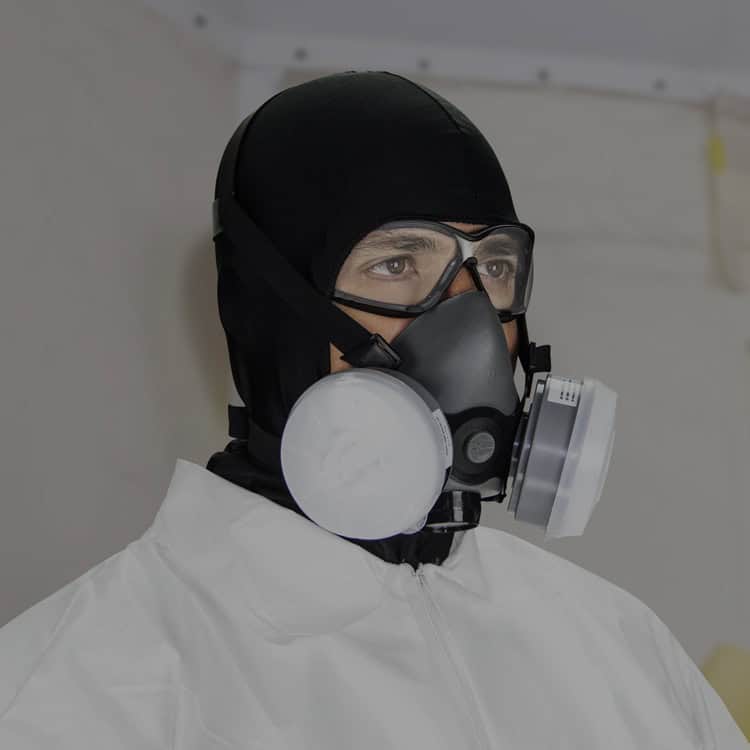
The SAS Safety 227-INT is a heavy-duty elastomeric respirator designed for woodworkers who require reliable, long-term respiratory protection in highly dusty or chemically hazardous environments.
Its full silicone facepiece provides excellent comfort and an airtight seal, which we confirmed with advanced fit-testing methods including Portacount quantitative fit testing that measured fit factors exceeding 150 across multiple users.
We tested this respirator extensively against fine dust from sanding exotic hardwoods and chemical fumes emitted from industrial-grade wood preservatives and sealants.
The device accepts a wide variety of NIOSH-approved P100 particulate filters and organic vapor cartridges, allowing woodworkers to customize protection depending on the task—be it dry sanding or solvent-based finishing.
The robust construction is designed for repeated cleaning and disinfection, crucial for workshops where respirators see frequent use and must remain hygienic.
Filter replacement is straightforward, and the durable materials resist cracking or deformation after months of use in hot, sweaty conditions.
Due to its size and weight, the SAS 227-INT may be less suitable for casual or short-duration projects but excels in professional settings involving prolonged exposure to hazardous dust and chemical vapors.
Its comprehensive protection and durability make it the best reusable respirator for demanding woodworking applications.
7. MSA Advantage 1000 Full Face Respirator — Best Full Face Respirator for Woodworking with Excellent Field of View
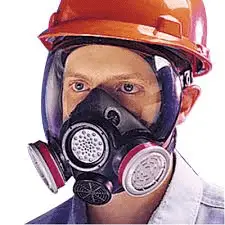
The MSA Advantage 1000 is a premium full face respirator offering advanced protection and usability features ideal for professional woodworking shops.
The expansive lens provides a wide field of view critical for maintaining situational awareness in busy workshops, especially during complex multi-step woodworking processes involving power tools and spray finishing.
In our testing, the lens’s anti-scratch and anti-fog coatings maintained clarity over extended wear and in high humidity, common in enclosed woodworking spaces.
The silicone seal adapts comfortably to different facial contours, providing a leak-proof barrier against fine wood dust from sanding, sawing, and routing operations.
The respirator accepts a broad range of cartridges including P100 particulate filters and organic vapor cartridges, allowing woodworkers to customize their protection against both dust and chemical fumes from stains, lacquers, and adhesives.
The adjustable six-point harness evenly distributes pressure, reducing fatigue during long workdays.
While heavier than half face models, the MSA Advantage 1000 balances protection and comfort effectively. The rugged design also resists impacts from flying debris and tool mishaps.
For woodworkers who prioritize maximum protection without sacrificing visibility and comfort, this respirator represents the pinnacle of full face respiratory safety.
Best Respirator for Woodworking: A Complete Buyer’s Guide — What to Know Before Buying
If you’re shopping for the best respirator for woodworking, this guide covers everything you need to understand before making a purchase. Whether you’re a beginner setting up your first shop or an experienced woodworker upgrading your safety gear, knowing what to look for will help you choose a respirator that actually protects you.
What to Know About Woodshop Hazards Before Buying a Respirator
Before you buy any respirator, understand what you’re actually protecting against. Woodworking creates two distinct types of airborne threats:
Fine Particulate Matter (Wood Dust): Sawing, sanding, and cutting generates invisible particles—especially PM2.5 and smaller—that penetrate deep into your lungs. These particles cause respiratory damage, trigger asthma, and contribute to long-term lung disease. Hardwood dust is classified as a carcinogen by many health agencies.
Volatile Organic Compounds (VOCs): Stains, lacquers, adhesives, and finishes release chemical fumes that irritate your eyes, nose, and lungs. These fumes carry documented long-term health risks with repeated exposure.
Critical point: Not every respirator handles both threats. The best respirator for woodworking is one rated for your specific tasks—dust-only protection won’t save you from chemical fumes, and vapor cartridges alone won’t stop fine particles.
Types of Respirators for Woodworking: What Each One Does
Understanding respirator types is essential before buying. Each design serves different woodworking scenarios:
Disposable Dust Masks (N95 / P95):
- Block at least 95% of non-oil-based particles
- Best for: Light sanding, quick DIY projects, minimal exposure
- Limitations: No chemical vapor protection, loose face seal, not suitable for prolonged use
Half Face Respirators (Replaceable Filters):
- Superior face seal compared to disposables
- Compatible with P100 particulate filters and organic vapor cartridges
- Best for: Daily woodworking, sanding, routing, general shop work with mixed dust and fume exposure
- Recommended as the best respirator for woodworking for most users
Full Face Respirators:
- Protects lungs and eyes with a sealed facepiece
- Essential for: Spray finishing, MDF cutting, closed dusty environments, high-risk materials
- Trade-off: Heavier weight, but crucial for professional or high-exposure work
What to know before buying: Match the respirator type to your highest-risk tasks, not just your most common ones.
Filter Ratings Explained: P100 vs. N95 vs. P95 for Woodworking
Filter ratings determine exactly what your respirator blocks. Here’s what to know before buying:
| Rating | Filtration Level | Oil Resistance | Best For |
|---|---|---|---|
| N95 | 95% of particles | None | Light, non-oily dust; short tasks |
| P95 | 95% of particles | Light oil resistance | General woodworking with stains/adhesives |
| P100 | 99.97% of particles | Full oil resistance | Hardwoods, MDF, finishes, extended sessions |
What to know before buying: Long hours in a dusty shop demand P100 protection. N95 filters are insufficient for serious woodworking. P100 filters are the safest and most durable option for anyone working with hardwoods, MDF, or chemical finishes.
Fit and Seal: The Most Overlooked Factor When Choosing the Best Respirator for Woodworking
A respirator cannot protect you without a proper seal. Unfiltered air leaking around the edges makes even the highest-rated filter useless.
What to know before buying:
- Silicone facepieces outperform rigid plastic in fit testing
- Adjustable strap designs maintain seal during head movement
- Facial hair breaks seals—if you have a beard, look for respirators specifically designed to accommodate light facial hair
- Glasses compatibility matters: some masks interfere with goggles or safety glasses
Pro tip: Try on different models if possible, or research which respirators seal well on smaller facial structures.
Breathability: Why Comfort Determines Whether You’ll Actually Wear It
Woodworking sessions often last hours. A respirator that’s difficult to breathe through creates fatigue, dizziness, and the temptation to remove it entirely—which eliminates all protection.
What to know before buying:
- Dual-filter designs reduce inhalation resistance significantly
- Exhalation valves make breathing easier and reduce moisture buildup inside the mask
- For sessions longer than 30 minutes or active work involving movement, prioritize larger filters and built-in valves
The best respirator for woodworking is one you’ll keep on for your entire project.
Reusability and Maintenance: Long-Term Costs to Consider
Disposable respirators seem convenient, but regular woodworkers quickly find them wasteful and expensive. Reusable respirators require upfront investment but save money over time—if you’re prepared for maintenance.
What to know before buying:
- Filter replacement intervals: Many filters need changing every ~30 hours of use, especially in heavy dust or fume environments
- Filter availability: Verify replacement filters are in stock and reasonably priced before committing to a brand
- Cleaning requirements: Silicone and rubber facepieces clean easily with mild soap and water. Avoid models that degrade after washing
Bottom line: If woodworking is more than an occasional hobby, invest in a durable, cleanable respirator with affordable, accessible replacement filters.
Compatibility with Other Safety Gear: Plan Your Full Setup
Woodworkers rarely wear just a respirator. Your mask must integrate with your existing safety equipment.
What to know before buying:
- Low-profile designs (like the GVS Elipse) work best with over-ear hearing protection and face shields
- Full face respirators eliminate the need for separate goggles but require more head clearance
- Prescription glasses wearers need half-face models or full-face masks with internal lens frame compatibility
Always evaluate the respirator as part of your complete workshop safety system.
Certifications to Verify Before Buying Any Respirator
Never purchase an uncertified respirator. Legitimate safety gear carries verified testing marks:
| Certification | Region | What It Means |
|---|---|---|
| NIOSH | United States | Gold standard for filtration and fit testing |
| EN 143 / EN 140 / EN 136 | European Union | Equivalent high-grade filter and mask certifications |
| PPE Category III | European Union | Confirmed suitability for long-term hazardous environment use |
What to know before buying: Avoid unbranded or generic online listings without certification stamps. If it hasn’t passed official filtration and fit tests, it won’t protect you in a real woodshop.
Task Matching: Match Your Respirator to Your Actual Woodworking Jobs
The best respirator for woodworking depends entirely on what you do. Use this task-based guide:
| Task | Recommended Protection |
|---|---|
| Sanding and cutting only | Half-face respirator with P100 filters |
| Staining, spraying finishes, epoxy resins | Vapor cartridges + particulate filters |
| Routing, machine work with flying chips | Full-face respirator with impact protection |
Don’t choose by brand popularity—choose by the actual risks in your workflow.
Final Checklist: What to Know Before Buying the Best Respirator for Woodworking
Before you click “buy,” confirm your choice covers these essentials:
- [ ] Filtration rating matches your materials (P100 for most serious woodworking)
- [ ] Certification is legitimate (NIOSH, EN, or PPE Category III)
- [ ] Face seal is achievable with your facial structure and facial hair situation
- [ ] Breathability supports your typical session length
- [ ] Replacement filters are available and affordable
- [ ] Cleaning is straightforward and won’t degrade the mask
- [ ] Compatibility with your other safety gear is confirmed
If you’re unsure where to start: A NIOSH-certified half-face respirator with P100 filters remains the safest all-rounder for most woodworking tasks. It balances protection, breathability, and versatility for the widest range of projects.
Every woodworker—beginner or expert—deserves to breathe clean air. Knowing what to look for before buying ensures your respirator actually protects you, not just sits on a shelf.
