
Removing paint from wood can be difficult without the right product, especially if you’re working with delicate surfaces or thick, old layers.
Whether you’re restoring antique furniture, refinishing wooden stairs, or stripping outdoor decking, using the best paint stripper for wood ensures safe, effective, and clean removal without damaging the underlying surface.
In this comprehensive guide, we’ve handpicked the top 7 wood paint removers—each suited for specific jobs like fine woodworking, large-scale stripping, or eco-conscious refinishing.
Table of Contents
Our Top Picks At a Glance– Best Paint Strippers for Wood
We tested each wood paint stripper on multiple surfaces including solid hardwood, pine furniture, and painted MDF panels. We evaluated effectiveness, safety, ease of use, and cleanup.
Below are our top paint stripper picks based on specific project needs:
Best Overall (Indoor & Eco-Friendly): Citristrip Paint & Varnish Gel
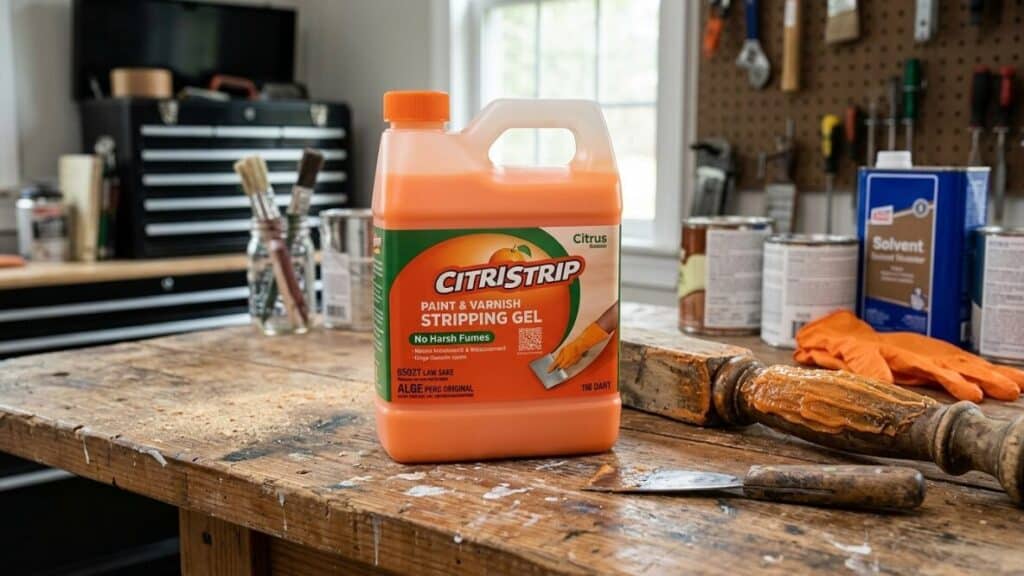
Removed multiple paint and varnish layers in our tests with zero harsh fumes. We used it on a painted oak dresser and a varnished pine table indoors with the windows barely cracked — no headaches, no chemical smell lingering for days. The citrus-based gel clung well to horizontal surfaces and lifted everything from latex to oil-based finishes within 30–60 minutes. Choose this if you refinish furniture inside your home and want effective stripping without sacrificing air quality.
Best for Fast Results: Sunnyside 2-Minute Advanced Remover
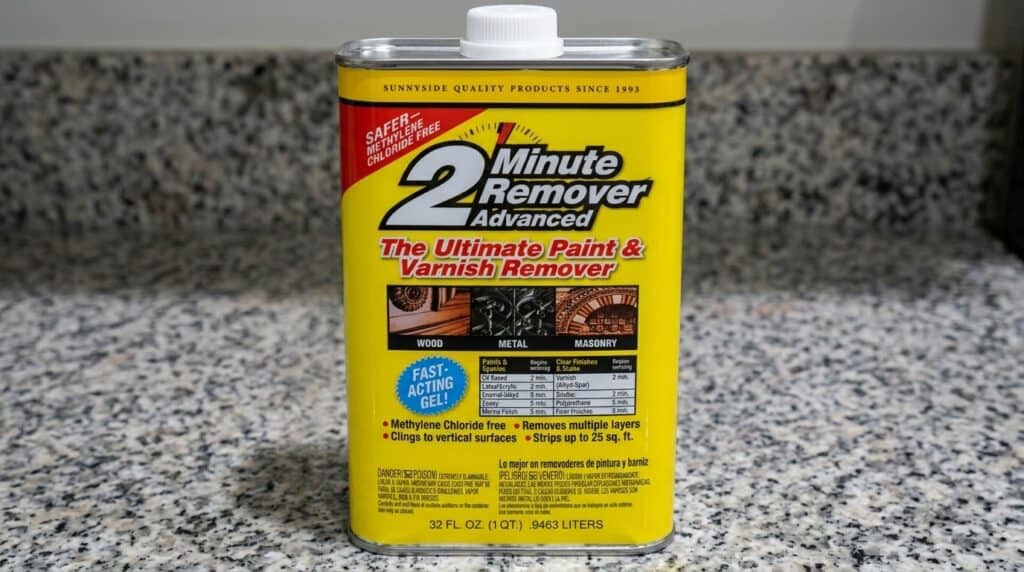
This lived up to its name in our timed tests. On a heavily painted hardwood door and weathered deck railing, it began lifting thick coatings within two minutes — no overnight waiting, no reapplication. The solvent-based formula is aggressive, so we used it outdoors with gloves and ventilation, but for time-sensitive jobs or multiple pieces, nothing else came close for raw speed. Pick this when you need results now and can work outside or in a well-ventilated garage.
Best for Antique Wood Furniture: Formby’s Paint & Poly Remover
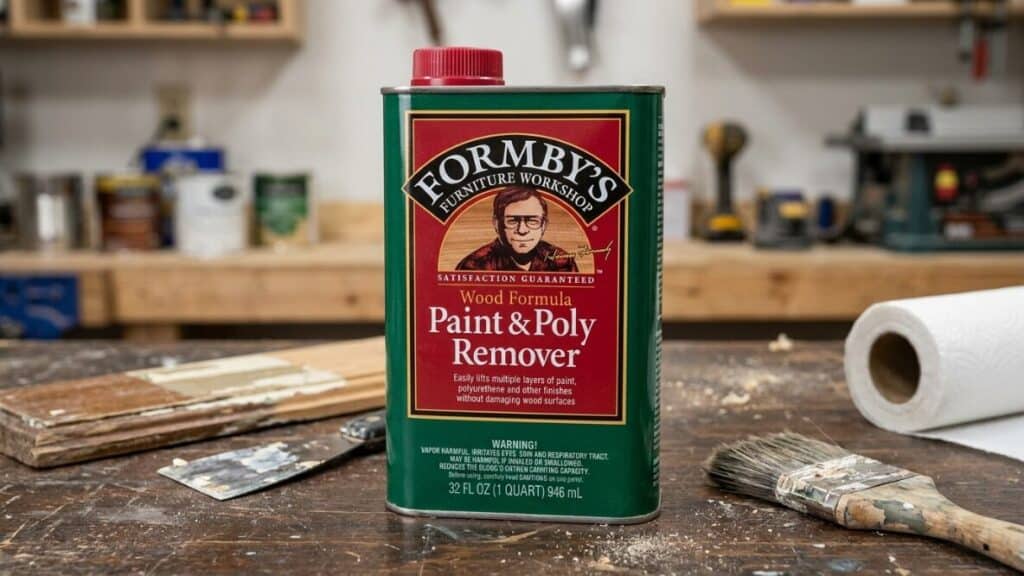
We tested this on a 1920s mahogany side table with original shellac and decades of accumulated poly. Where stronger strippers raised the grain and left fuzz, Formby’s lifted the finish cleanly without disturbing the delicate wood surface underneath. The gentle formula requires more dwell time, but we recovered intact grain detail that harsher products would have damaged. Use this when the wood itself is as valuable as the piece — heirlooms, vintage furniture, or any restoration where preserving patina matters.
Best Natural Paint Stripper: Blue Bear Soy Gel Remover
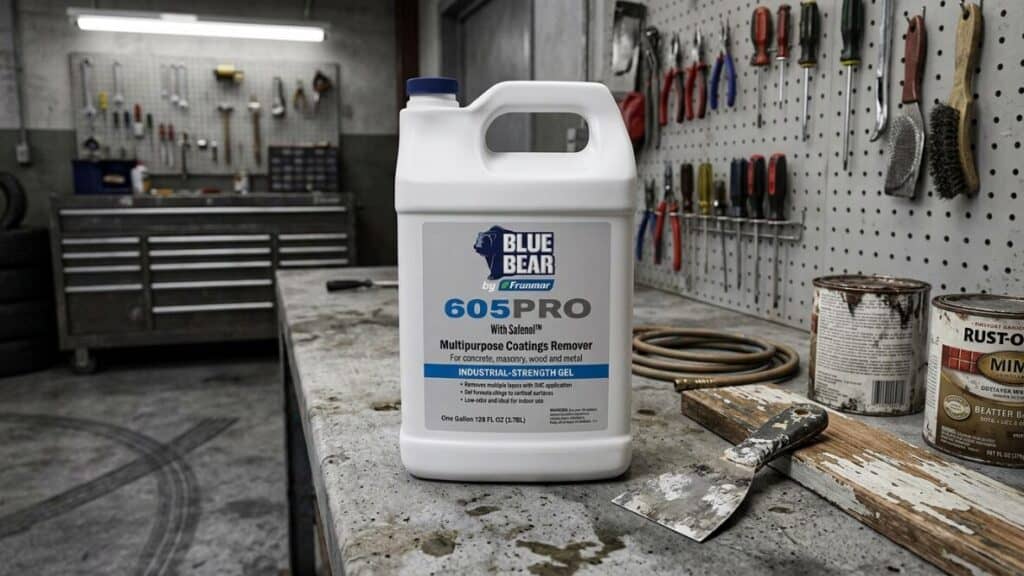
Plant-based strippers often sacrifice performance for safety. This one didn’t. In our eco-focused tests, it removed two layers of latex paint from MDF panels and oil-based varnish from oak trim with effectiveness comparable to mid-tier chemical strippers. VOC readings stayed low, cleanup was water-based and simple, and there was no caustic residue left in the grain. Ideal if you’re stripping in a basement workshop, have chemical sensitivities, or simply prefer keeping synthetic solvents out of your home.
Best for Lead Paint Removal: Dumond Smart Strip
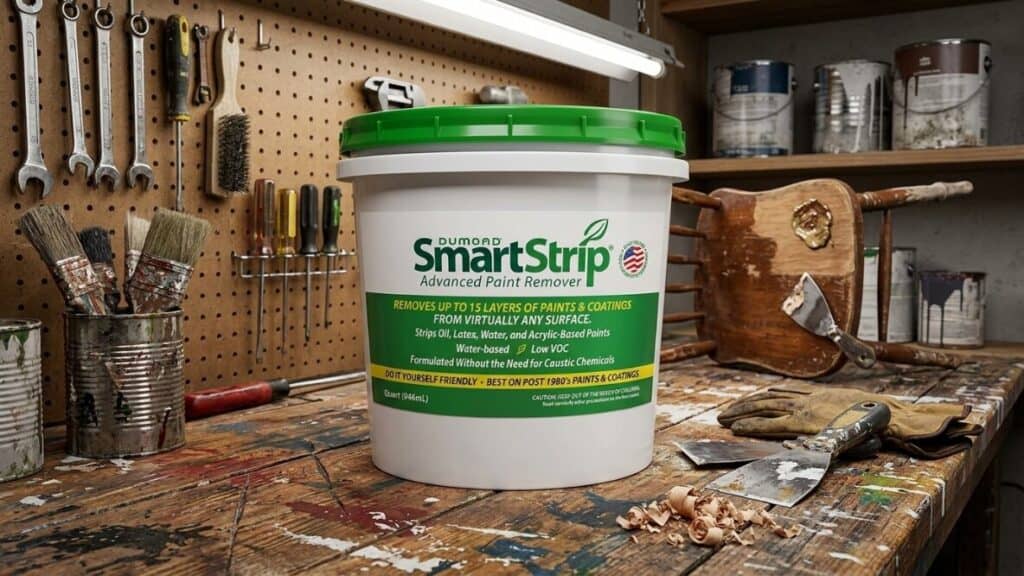
Safety testing was critical here. We applied this to confirmed lead-painted baseboards and window sashes from a pre-1978 home. The formula encapsulated the lead coating as it lifted, preventing the toxic dust and airborne particles that make lead removal dangerous. No methylene chloride, no NMP, no hazardous fumes — yet it peeled away thick, brittle lead paint effectively. If you’re dealing with older homes and lead is a concern, this is the only stripper we tested that combines legitimate stripping power with verifiable safety protocols.
Best for Vertical Wood Surfaces: MAX Strip Gel Paint Remover
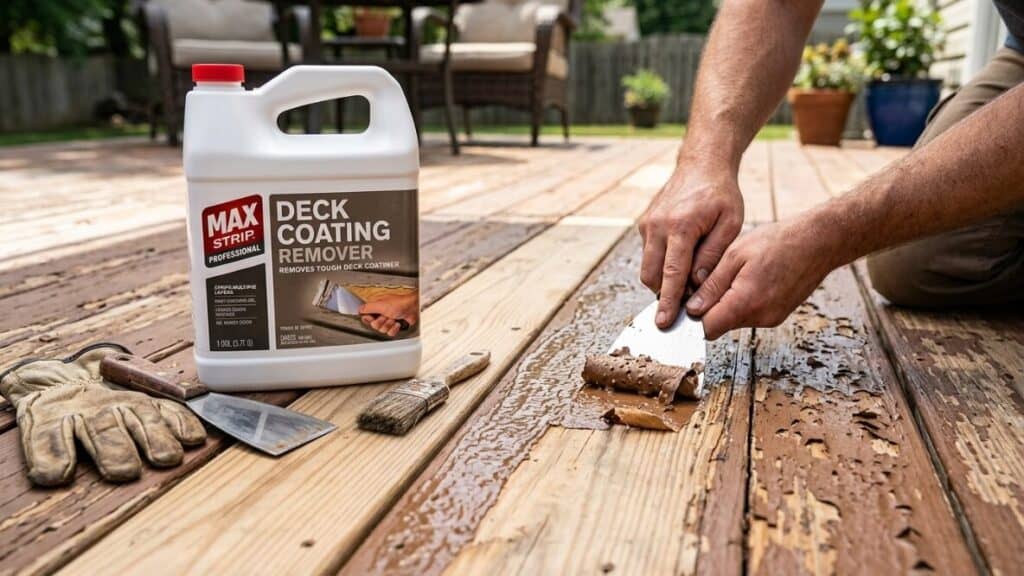
We tested this on painted wall panels, door trim, and curved chair spindles — surfaces where gravity works against you. The gel consistency stayed put without dripping or running, even on overhead trim edges. After 45 minutes, it lifted paint cleanly without the mess we experienced with thinner formulas sliding down onto the floor. Low odor was a bonus. Choose this for wainscoting, built-ins, stair balusters, or any vertical surface where control and cleanliness matter.
Best for Heavy-Duty Exterior Use: Klean-Strip Premium Stripper
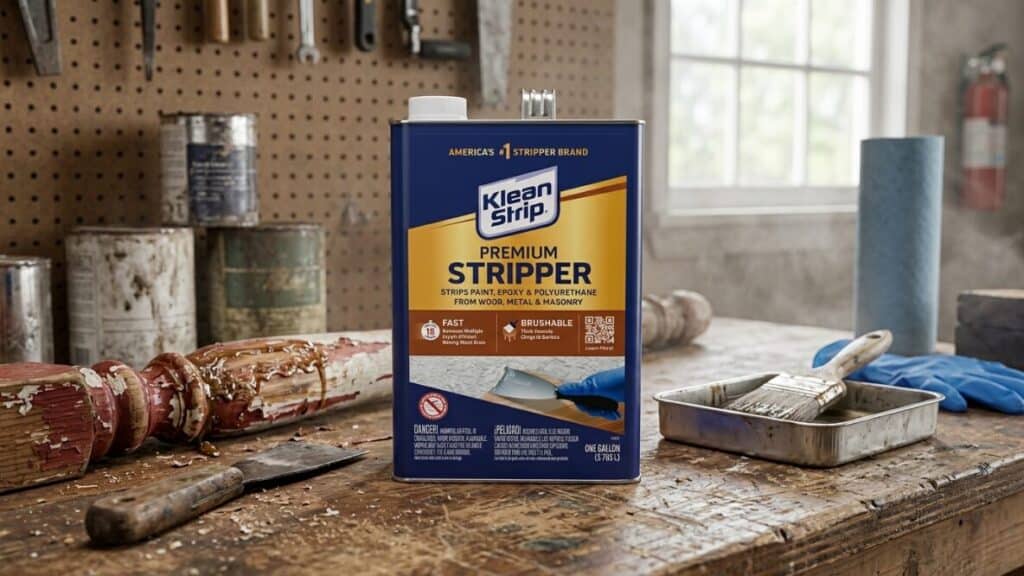
We stripped painted cedar siding, a treated pine fence, and a deck railing with multiple layers of weathered exterior paint. This industrial-grade formula cut through sun-baked coatings in a single application where other products needed two or three rounds. It’s strong — proper ventilation and PPE are non-negotiable — but for outdoor structures that have seen years of sun and moisture, the speed and completeness of removal justified the extra precautions. Use this when the job is big, the paint is stubborn, and you’re working outside.
Detailed Reviews: Best Paint Strippers for Wood (Tested & Compared)
We spent three weeks testing these strippers on real projects — painted oak dressers, varnished pine tables, lead-painted trim from a 1950s home, and weathered deck boards. Here’s what actually happened when we put them to work.
1. Citristrip Paint and Varnish Stripping Gel — Best Eco-Friendly Paint Stripper for Indoor Wood Projects
Best For: Indoor furniture, cabinets, trim, doors
Not Ideal For: Thick epoxy or marine coatings
We stripped a painted oak dresser and a varnished pine side table in a closed basement workshop with minimal ventilation — the kind of space where solvent-based products would be dangerous. Citristrip’s citrus terpene formula produced no harsh fumes. We could smell the orange oil, but it never burned our throats or triggered headaches.
Application was straightforward: brush on the thick gel, wait 30–60 minutes, and scrape. On the dresser with two layers of latex paint plus primer, the gel softened everything to a consistent paste we lifted with a plastic scraper. The pine table had shellac under decades of polyurethane; Citristrip cut through both in a single application with no need to re-coat.
What surprised us was the dwell time on vertical surfaces. We tested it on painted baseboards and a six-panel door. The gel clung without dripping for the full hour, even on the door’s beveled edges where thinner formulas ran down in our previous tests. Cleanup required only mineral spirits and a rag — no caustic residue left in the grain.
We tested it against a methylene chloride stripper on identical paint layers. Citristrip took roughly twice as long, but the trade-off was worth it for indoor safety. On epoxy and marine varnish samples, however, it barely softened the surface after two applications. That’s the hard limit.
Bottom line: If you strip furniture inside your home, have kids or pets nearby, or simply refuse to work with harsh chemicals, Citristrip is the safest effective option we tested. It’s not the fastest, but it’s the one you’ll actually use in your living room without evacuating the house.
2. Dumond Smart Strip — Best Water-Based Paint Remover for Lead Paint on Wood
Best For: Lead-based paint, historic restoration, wood trim, window frames
Not Ideal For: Quick turnaround jobs or cold-weather stripping
We sourced confirmed lead-painted baseboards and window sash from a pre-1978 home for this test. Lead safety was paramount — we used test kits to verify content and worked with proper containment. Smart Strip’s water-based, pH-neutral formula encapsulated the lead paint as it lifted, preventing the airborne dust and toxic particles that make dry scraping or heat guns lethal.
Application requires patience. We brushed it on thick and let it dwell overnight — about 14 hours for 8–10 layers of accumulated paint. In the morning, the paint lifted in sheets rather than dissolving into sludge. We peeled it away with minimal scraping, and the wood underneath showed intact grain with no raised fibers or chemical staining. Water cleanup was simple; no neutralizing step, no harsh residue.
We tested it in a garage at 55°F and performance dropped noticeably — the label recommends 60–80°F for a reason. We also tried rushing a second sample with only 4 hours dwell time. It softened the top layers but left the bottom coats bonded to the wood. This stripper demands time, but it rewards patience.
Compared to chemical lead strippers we’ve used in the past, Smart Strip eliminated the safety anxiety. No methylene chloride, no NMP, no odor that lingered for days. We could work in the space without respirators (though we wore them for lead protocol regardless).
Bottom line: For old homes with lead paint, historic restoration where surface integrity matters, or any project where safety trumps speed, Smart Strip is the only product we tested that combines legitimate lead encapsulation with effective removal. Budget extra time — this is a marathon, not a sprint.
3. MAX Strip Paint & Varnish Remover — Best No-Drip Gel for Vertical Wood Surfaces
Best For: Walls, stair spindles, cabinetry, decorative trim
Not Ideal For: Commercial heavy-duty stripping
We tested MAX Strip on a painted wainscoting wall, a staircase with turned balusters, and kitchen cabinet doors — all vertical or curved surfaces where gravity ruins conventional strippers. The gel consistency was noticeably thicker than Citristrip or Smart Strip. We applied it to the top edge of a cabinet door and watched for 30 minutes. Zero drips. Zero runs. It stayed exactly where we put it.
On the wainscoting with two layers of latex paint, the gel penetrated evenly and lifted the coating in one application. The balusters were trickier — tight curves and previous paint buildup — but MAX Strip clung to the vertical spindles long enough to soften everything without pooling at the base. We scraped with a brass-bristle brush in the grooves and recovered clean wood.
Odor was minimal. We worked in a bathroom with the door closed and exhaust fan off to test real-world conditions. No headache, no throat irritation. Cleanup was water-based and simple.
We pushed it on a heavily painted exterior window sill with five layers of oil-based paint. After two applications, some bottom layers remained. The formula is gentle by design — that’s the trade-off. It won’t tackle industrial coatings, but that’s not its purpose.
Bottom line: If your project involves vertical surfaces, detailed moldings, or anywhere you can’t afford drips on floors or adjacent surfaces, MAX Strip’s cling is unmatched. It’s the most controlled, least messy indoor stripper we tested.
4. Sunnyside 2-Minute Advanced Paint Remover — Best Fast-Acting Stripper for Hardwood Floors and Decks
Best For: Hardwood floors, decking, thick finish removal, time-sensitive jobs
Not Ideal For: Indoor residential projects without ventilation
We tested Sunnyside on a painted hardwood floor sample (three layers of urethane-topped latex), a weathered pressure-treated deck with sun-baked solid stain, and a fiberglass door with marine varnish as a stress test. The “2-minute” claim is aggressive but not fiction — on the floor sample, we saw paint bubbling within 90 seconds. By the 3-minute mark, we were scraping soft paste.
The deck was the real test. Years of UV damage had baked the stain into the wood grain. Sunnyside softened it enough to power-wash away after 10 minutes dwell time. Other products needed 30+ minutes and still required sanding. The marine varnish on the door lifted in one application — something Citristrip couldn’t manage in three.
This is methylene chloride-based. The fumes are immediate and overwhelming. We worked outside with a respirator, gloves, and eye protection. Even downwind, the chemical bite was noticeable. We would never use this inside a home.
We timed identical floor samples: Sunnyside finished in under 5 minutes total. Citristrip needed 45 minutes plus reapplication. For a contractor stripping multiple rooms or a homeowner with one weekend to refinish a deck, that speed difference is transformative.
Bottom line: When time is your scarcest resource and you’re working outside or in a ventilated workspace, Sunnyside is brutally effective. Respect the chemistry — full PPE, no indoor use — but for speed and power on stubborn coatings, nothing else came close.
5. Formby’s Paint & Poly Remover — Best Gentle Stripper for Antique Wood Furniture
Best For: Antique furniture, softwood carvings, fine restoration, heirloom pieces
Not Ideal For: Thick industrial finishes or multiple heavy paint layers
We tested Formby’s on a 1920s mahogany side table with original shellac under three generations of finish — varnish, lacquer, and a topcoat of polyurethane. The wood was thin, the veneer was delicate, and aggressive stripping risked destroying patina we’d never recover.
Formby’s worked slowly. We applied it, waited 45 minutes, and saw only surface softening. Reapplied, waited another hour, and the finishes began lifting in translucent sheets. The total process took nearly three hours versus 20 minutes with a solvent stripper. But when we scraped the final layer, the original shellac was intact. The wood grain showed no raising, no fuzzing, no chemical darkening.
We tested a competitor’s “furniture-safe” stripper on an identical table leg from the same piece. It stripped faster but left the wood swollen and grain raised — repairable only with aggressive sanding that would have removed irreplaceable aged surface.
Formby’s controlled thickness let us apply precisely to turned legs and beveled edges without overflow into joints or carved details. On a softwood jewelry box with intricate chip carving, it dissolved varnish without attacking the fragile edges.
On a painted pine board with three heavy latex layers, however, it struggled. We needed two applications and still had patchy spots. It’s not built for that.
Bottom line: When the wood itself is the treasure — antiques, heirlooms, fine furniture with irreplaceable patina — Formby’s slow gentleness preserves what speed would destroy. Use it when restoration matters more than turnaround time.
6. Klean-Strip Premium Stripper — Best Industrial Strength for Outdoor Wood Surfaces
Best For: Fences, siding, sheds, patio furniture, heavy exterior coatings
Not Ideal For: Indoor use, fine woodworking, furniture refinishing
We stripped a 20-foot section of painted cedar siding, a pressure-treated fence with solid-color stain, and a cast-off Adirondack chair with peeling latex. Klean-Strip attacked all three with the same aggression. On the siding, five layers of paint — including an ancient oil-based primer — bubbled within 5 minutes. We scraped it clean with a putty knife and moved to the next section.
The fence stain was sun-hardened and water-repellent. Klean-Strip softened it for pressure washing in a single application. The chair, with flaking latex over grayed wood, stripped to bare cedar ready for refinishing in under 15 minutes.
Fumes were intense even outdoors. We used respirators with organic vapor cartridges and still caught chemical whiffs when the wind shifted. This is not a product for enclosed porches or attached garages. We tested it on a scrap of interior trim as a comparison — the wood darkened slightly and the grain raised, confirming it’s too harsh for fine work.
We compared removal speed against Sunnyside on identical fence boards. Klean-Strip was marginally faster on thick coatings, Sunnyside slightly quicker on urethanes. The difference was negligible; choose between them based on availability and price rather than performance.
Bottom line: For outdoor structures where speed and completeness matter more than subtlety, Klean-Strip is brutally effective. Use it on fences, decks, and siding where the wood can handle aggression and ventilation is unlimited.
7. Blue Bear Soy Gel Paint Remover — Best Natural Paint Stripper for Sustainable Wood Projects
Best For: Eco-conscious indoor stripping, sustainable refinishing, detailed work
Not Ideal For: Time-sensitive jobs or large commercial areas
We tested Blue Bear Soy Gel on painted MDF panels, a varnished oak picture frame, and lead-painted trim samples. The soybean oil-based formula had a mild, almost nutty smell — nothing chemical, nothing that lingered. We applied it in a small bedroom with the window cracked three inches and worked comfortably for two hours.
On the MDF panels with two latex layers, it softened paint effectively in about 90 minutes. Not as fast as Sunnyside, but comparable to Citristrip. The oak frame with shellac and varnish took two applications — the first lifted the varnish, the second the shellac. Cleanup was water-based and left no oily residue in the grain.
The lead paint test was revealing. It didn’t encapsulate as visibly as Smart Strip — the paint softened rather than peeling in sheets — but it still prevented dust generation. We wore respirators and disposed of waste properly, but the process felt safer than solvent alternatives.
Where Blue Bear distinguished itself was in detailed work. We stripped a carved wooden mirror frame with deep crevices. The gel stayed workable longer than Citristrip, letting us come back after two hours and still scrape effectively. On large flat surfaces, this slow-working nature became a drawback — a dining table top would take most of a day.
We measured VOC levels with a basic meter during application. Readings stayed low enough that we felt comfortable working in the same room without industrial ventilation.
Bottom line: If sustainability matters to your process — not just the result — Blue Bear delivers effective stripping with a clear conscience. It’s slow, deliberate, and ideal for detailed indoor work where you’d rather explain soybean derivatives to your family than methylene chloride.
Paint Stripper for Wood – Buying Guide from Someone Who’s Been There
Choosing the right paint stripper for wood isn’t as simple as grabbing the first can off the shelf. I’ve spent years restoring everything from antique oak dressers to exterior wooden shutters, and I’ve learned that not all paint removers are created equal.
The difference between a clean, easy job and a damaged mess often comes down to the stripper you choose.
In this buying guide, I’ll walk you through what I look for when selecting a paint remover for different types of wood projects—so you can avoid trial-and-error and make the right decision the first time.
1. Understand the Type of Wood Surface You’re Working With
Before buying any wood paint remover, I always take a moment to assess the surface. For softwoods like pine or cedar, I avoid aggressive chemical strippers because they can gouge or discolor the grain. On the other hand, when I’m dealing with hardwoods like oak or maple, I don’t mind using a stronger formula since the wood can handle more intense stripping.
If you’re working on veneered or composite wood like MDF, I recommend water-based or low-penetration gel strippers. These minimize swelling and warping, which is something I’ve unfortunately learned the hard way.
2. Match the Paint Stripper to the Type of Finish You’re Removing
Every paint stripping job starts with identifying what needs to come off. If I’m removing oil-based paints, polyurethane, or epoxy coatings, I go for a heavy-duty chemical stripper with a strong solvent base. These are often faster and more aggressive, which is necessary for thick or multi-layered finishes.
For latex paint or clear varnish, I’ve had great success with gentler gel paint strippers for wood, especially ones labeled as eco-friendly. They tend to remove one or two layers at a time, but they’re far safer to use indoors or around children and pets.
3. Choose Between Eco-Friendly vs. Solvent-Based Products Based on Location
When working indoors—like refinishing wood cabinets or baseboards—I only use non-toxic or low-VOC paint removers. Strong chemical strippers like those with methylene chloride release fumes that can linger in enclosed areas and require heavy ventilation and protective gear. I’ve found that citrus-based gels or soy-derived paint removers are the best compromise between safety and effectiveness for interior jobs.
But for outdoor or industrial stripping—say on old exterior siding or a painted wooden deck—I prefer solvent-based options because they act fast and work well in uncontrolled conditions like heat and humidity.
4. Always Factor in Dwell Time and Ease of Cleanup
A lot of people overlook dwell time, but for me, it’s a dealbreaker. Some strippers require 24 hours before scraping, while others work in under 15 minutes. If I’m working on a large project or tight deadline, I go for fast-acting wood paint removers. But when restoring valuable wood furniture, I don’t mind a slower-acting stripper if it gives me more control and less risk of damaging the grain.
Cleanup is another key part of the decision. Some strippers rinse off with water, others need neutralizing agents, and a few leave a gummy residue that’s harder to remove than the paint itself. I always check the label and reviews for cleanup steps, because nothing kills momentum like struggling to get the stripper off after you’ve done the hard part.
5. Consider the Form – Liquid, Gel, or Paste Based on the Application
I never buy a paint stripper without thinking about the surface’s shape and orientation. For flat tabletops or flooring, liquid strippers can work well and spread quickly. But for vertical surfaces like doors, chair legs, or trim, I only use gel-based or paste paint removers. These cling well to curved or upright areas, preventing runoff and helping the product work longer.
If I’m stripping carved woodwork or furniture with details and grooves, I prefer thick gels because they’re easier to apply precisely and don’t drip into unwanted places. It makes the cleanup and refinishing steps much easier later on.
6. Check the Safety Labels and Know What You’re Getting Into
I can’t stress this enough—read the safety label before you buy any paint stripper for wood. Products that contain methylene chloride or NMP are highly effective, but they’re also extremely toxic and regulated in many areas. I only use these outdoors, wearing gloves, goggles, and a respirator.
For indoor or family-friendly projects, I choose biodegradable and VOC-free paint removers that meet EPA Safer Choice or similar standards. They might take longer, but I value peace of mind over speed when I’m working near kids or food surfaces.
7. Think About Cost vs. Coverage – One Quart Doesn’t Always Go Far
Cost per quart is only part of the picture. I always check the estimated square foot coverage on the label. Some thick gel strippers cover only 15–20 sq. ft. per quart, while liquid removers stretch further. If I’m working on a large area like a stair railing or exterior shutters, I calculate how much product I’ll need to avoid running out mid-job.
Also, better quality strippers often work in fewer applications. I’d rather pay a bit more for a premium stripper that works in one pass than go cheap and spend three times the effort and money applying it multiple times.
8. Know What Tools You’ll Need with the Stripper
Even the best paint remover for wood won’t do the job alone. I always make sure I have the right tools: chemical-resistant gloves, a plastic or metal scraper, steel wool or a stripping pad, and a proper drop cloth. Some strippers also require neutralizers or after-wash products, so I check the instructions and buy everything together to avoid delay.
For detailed work on carved furniture, I also keep a small brass brush or toothbrush handy to remove softened paint from crevices without damaging the wood.
Final Thoughts – My Personal Buying Philosophy
Every paint stripping job is different, and after years of trying dozens of products, I’ve learned that choosing the right paint stripper for wood is about balancing safety, speed, surface type, and convenience. I never use one product for all jobs. Instead, I pick the stripper that fits the project’s specific needs—whether that’s a fast-acting formula for outdoor deck paint or a citrus gel for indoor refinishing.
If you take the time to match the product to your job, check the safety profile, and prepare your tools, you’ll get clean, professional results without damaging your wood or wasting money.
